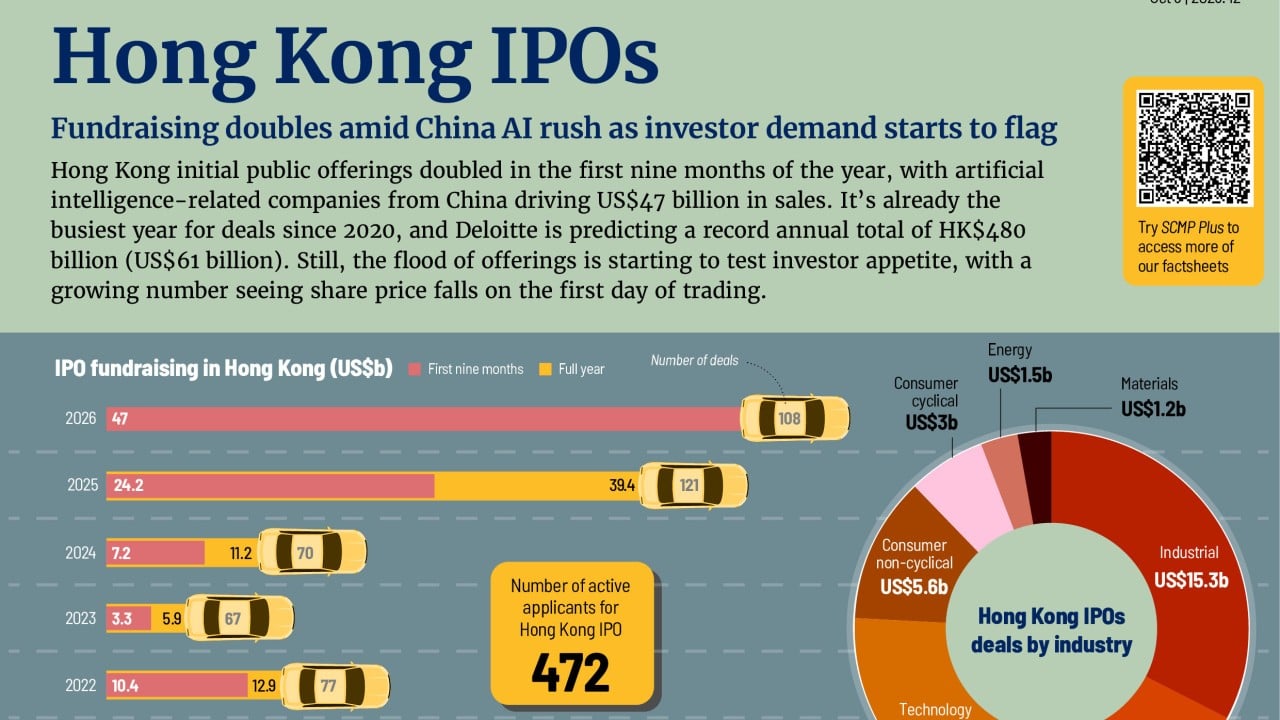
China’s Transsion, Africa’s top phone maker, targets US$500 million Hong Kong listing

South China Morning Post - Oct 6, 2026

Shenzhen Transsion Holdings, the maker of Africa’s bestselling phones, aims to kick off its Hong Kong share offering on Wednesday to raise up to US$500 million ahead of a targeted October 15 listing, according to people familiar with the matter. The company, which already trades in Shanghai and has a market capitalisation of 62 billion yuan (US$9.24 billion), could offer up to 132 million offshore ordinary shares, according to approval documents from the China Securities Regulatory Commission...

Read full article


More News

What Would an ASEAN-Canada Free Trade Agreement Mean for Foreign Investors?

Oct 6, 2026

What Would an ASEAN-Canada Free Trade Agreement Mean for Foreign Investors?

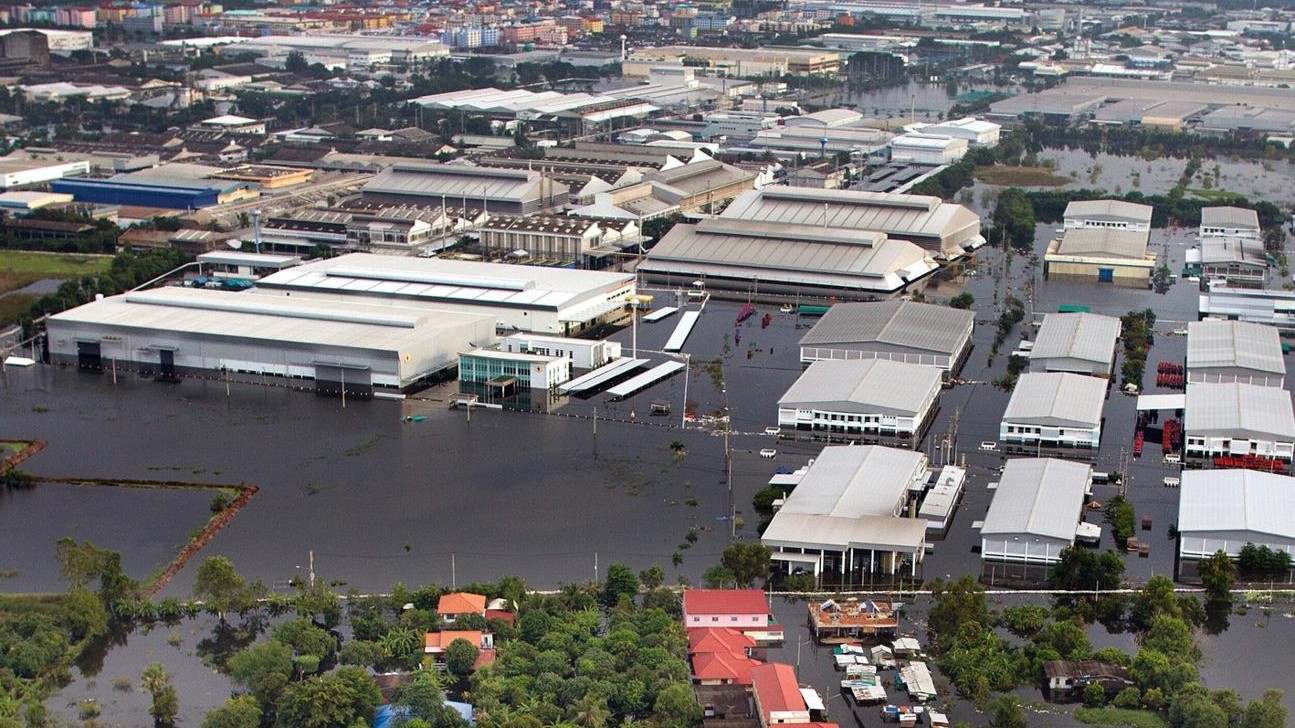
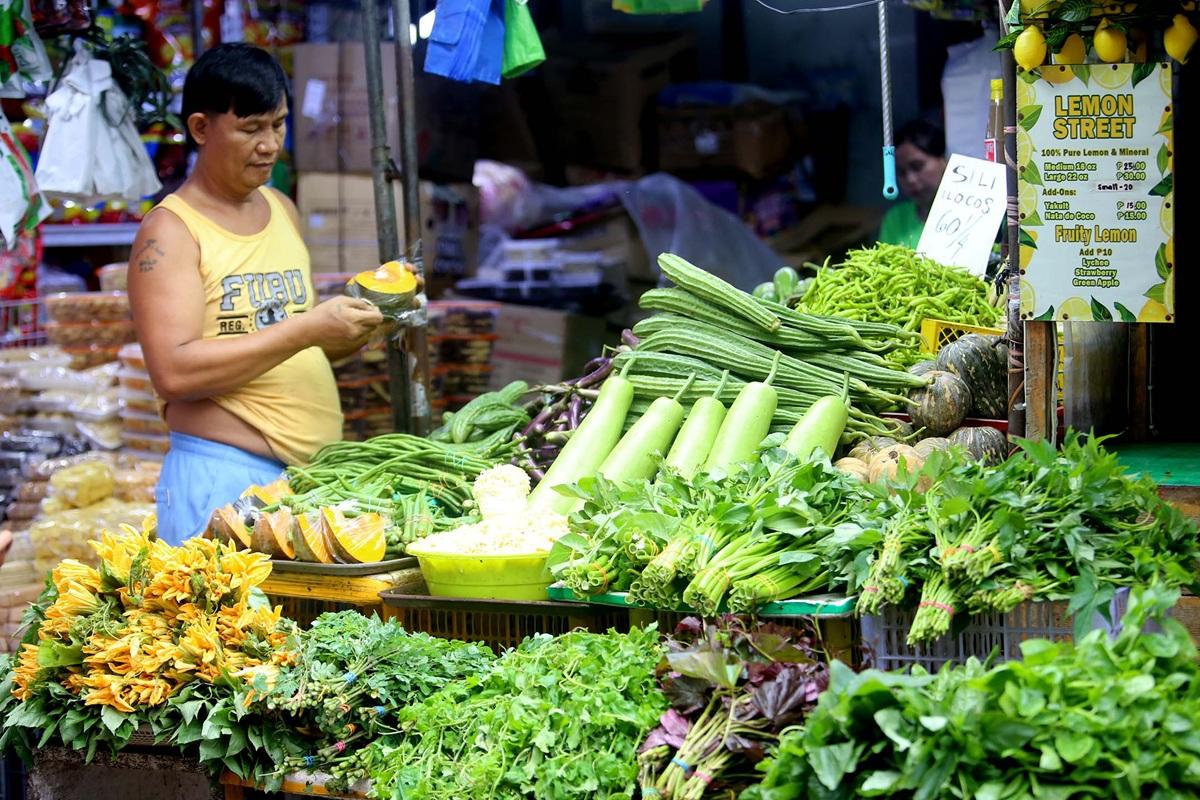
summarize this content to 20 words The proposed ASEAN-Canada Free Trade Agreement (ACAFTA) could reduce trade barriers between Canada and Southeast Asia while creating new opportunities for companies using ASEAN as a manufacturing, sourcing, services, or regional investment base. Canada-ASEAN bilateral merchandise trade reached C$52.5 billion (US$38 billion) in 2025, up 23.6 percent from C$42.4 billion (US$31 billion) in 2024. ASEAN’s member states collectively represented Canada’s fifth-largest merchandise trading partner. From ASEAN’s perspective, Canada ranked as its 16th-largest trading partner and 10th-largest source of foreign direct investment in 2025. ASEAN now comprises 11 member states following Timor-Leste’s admission in October 2025. Where ASEAN-Canada trade and investment stand today Manufacturing in ASEAN frequently involves regional production networks. A product assembled in Vietnam, for instance, may contain inputs from Malaysia, Thailand, or Indonesia. Whether those inputs count toward the product’s originating status could determine whether it qualifies for preferential tariffs when exported to Canada. Canada’s negotiating objectives specifically seek rules allowing the cumulation of materials and production and recognizing existing regional production patterns. If reflected in the final agreement, these provisions could give manufacturers greater flexibility to divide qualifying production and sourcing among ASEAN countries rather than concentrating activities in one jurisdiction solely to obtain tariff preferences.